
Preparing for a cosmetic surgery discussion begins well before the appointment itself, and understanding How Can Patients Prepare for a Tummy Tuck Consultation? helps individuals make informed and confident decisions about their body goals. A well-prepared consultation allows both clarity and realistic expectations, especially when considering abdominal contouring procedures. Many individuals in Dubai seek guidance from reputable aesthetic environments such as Dynamic Life Clinic, where patient-focused evaluation is prioritized. This preparation becomes even more important for those exploring tummy tuck in dubai options, where lifestyle, body type, and medical history all play a role in shaping the surgical approach.
Understanding the Purpose of the Consultation
A tummy tuck consultation is not just an introduction but a detailed assessment of physical condition, expectations, and suitability for surgery. Surgeons evaluate abdominal muscle separation, skin laxity, fat distribution, and overall health before recommending any procedure.
Patients should understand that the consultation is a two-way process. While the surgeon gathers clinical details, the patient also learns about technique options, recovery expectations, and procedural suitability. This exchange helps align goals with realistic outcomes rather than idealized assumptions.
In many cases, individuals underestimate the importance of this stage, but it serves as the foundation for safe planning and personalized surgical strategy.
Reviewing Medical History in Detail
One of the most important steps in preparation is organizing complete medical history. This includes past surgeries, ongoing health conditions, allergies, and any medications or supplements currently being taken. Even small details can influence surgical decisions and recovery planning.
Patients are encouraged to be transparent about:
- Previous abdominal surgeries or C-sections
- Chronic conditions such as diabetes or hypertension
- Blood-thinning medications or herbal supplements
- Past reactions to anesthesia
Providing accurate medical information helps the surgeon assess risk factors and recommend the safest approach. It also ensures that recovery planning is realistic and tailored to the individual’s needs.
Defining Personal Goals and Expectations
Clear communication about body goals is essential for a productive consultation. Patients should think about what specifically bothers them about their abdominal area, whether it is loose skin, weakened muscles, or contour irregularities.
Instead of focusing on unrealistic transformations, it helps to describe desired improvements in simple terms such as a flatter abdomen or firmer core structure. Surgeons use this input to determine what can be achieved safely and naturally.
Bringing reference images can sometimes be helpful, but they should be used as general inspiration rather than exact expectations. Each body responds differently, and outcomes depend on anatomy rather than comparison.
Preparing Questions for the Surgeon
Asking the right questions ensures patients leave the consultation with clarity. It also demonstrates active involvement in the decision-making process. Writing questions in advance can help avoid missing important topics during the discussion.
Useful questions may include:
- What techniques are suitable for my abdominal condition?
- What type of results can realistically be expected for my body type?
- How is recovery typically managed?
- What are the common limitations after the procedure?
These questions help patients understand both benefits and limitations in a balanced way, supporting informed decision-making without confusion.
Documenting Lifestyle and Daily Routine
Lifestyle habits play a significant role in surgical planning. Surgeons often consider physical activity levels, diet patterns, and daily routines before recommending procedures. Patients should be prepared to discuss exercise frequency, weight stability, and any recent changes in body composition.
Stable weight is usually an important factor, as fluctuations can affect results and healing. Individuals who smoke or have irregular sleep patterns may also receive guidance on adjustments that support better recovery outcomes.
This information helps ensure that surgical planning aligns with the patient’s real-life habits rather than just clinical observations.
Mental Preparation and Emotional Readiness
Beyond physical readiness, emotional preparation is equally important. A tummy tuck procedure can bring significant changes to body image, which may take time to adjust to mentally. Understanding this aspect helps set a balanced perspective before moving forward.
Patients should reflect on their motivations and ensure the decision is based on personal confidence rather than external pressure. Emotional readiness contributes to satisfaction and long-term comfort with results.
A calm and informed mindset allows for better communication during consultation and reduces anxiety about the process.
Understanding What Happens During the Consultation
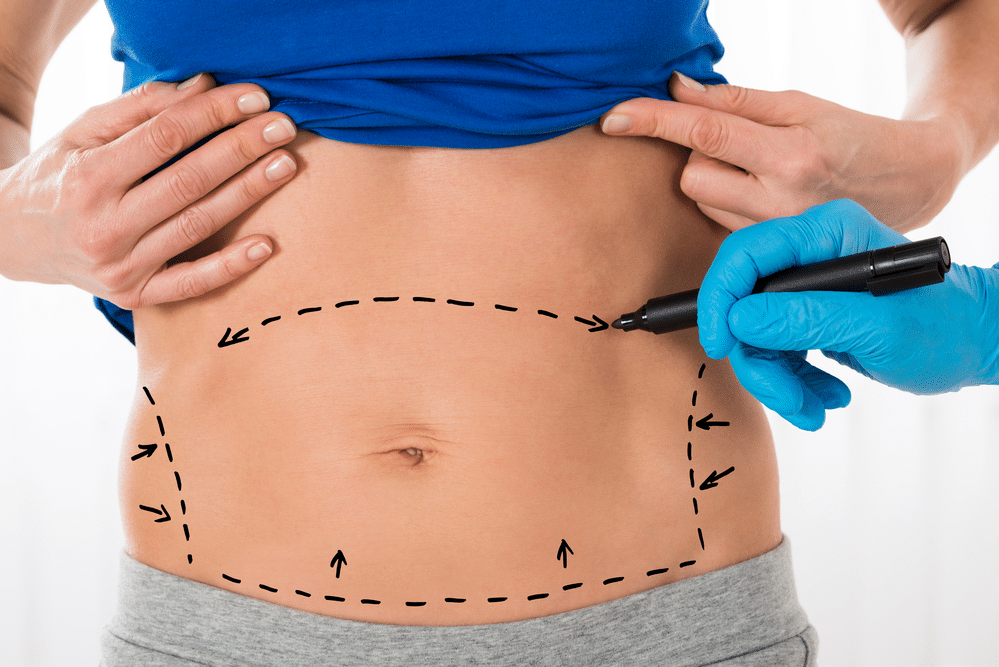
During the appointment, a structured evaluation typically takes place. This may include physical examination of the abdominal area, discussion of goals, and review of medical history. Measurements or photographic assessments may also be used for planning purposes.
The surgeon may explain different procedural approaches based on individual needs, including variations that address muscle tightening, skin removal, or contour refinement. Each recommendation is based on anatomical assessment rather than a standard template.
Patients are also guided on preparation steps before surgery if they are considered suitable candidates, ensuring clarity from the beginning of the journey.
Importance of Realistic Expectations
A key aspect of preparation is understanding what surgery can and cannot achieve. A tummy tuck is designed to improve abdominal contour and firmness, but it does not replace healthy lifestyle habits or weight management.
Realistic expectations help avoid disappointment and support a positive post-procedure experience. Patients who understand the limitations alongside benefits are generally more satisfied with long-term outcomes.
This awareness also encourages better commitment to post-operative care, which plays a major role in maintaining results.
Conclusion
Proper preparation for a tummy tuck consultation involves more than just scheduling an appointment; it requires thoughtful reflection on health history, goals, lifestyle, and emotional readiness. By understanding How Can Patients Prepare for a Tummy Tuck Consultation?, individuals in Dubai can approach the process with clarity and confidence, ensuring that discussions are meaningful and productive. Careful preparation supports better communication, more accurate assessments, and a smoother overall experience for those considering body contouring procedures.
No responses yet