
Achieving balanced and natural-looking nasal refinement requires more than the procedure itself. Many elements contribute to the final outcome, including anatomy, healing patterns, surgical planning, and post-treatment care. Patients considering Rhinoplasty dubai often want to understand what affects their results and how they can improve the likelihood of a successful experience.
In a city known for advanced aesthetic treatments and personalized care, many individuals explore rhinoplasty to enhance facial harmony and address structural concerns. Facilities such as Dynamic Life Clinic are part of Dubai’s growing cosmetic treatment landscape, where patients seek customized approaches designed around their unique facial features.
Understanding Rhinoplasty and Its Goals
Rhinoplasty is a facial procedure designed to reshape, refine, or reconstruct the nose. The treatment can address aesthetic concerns such as nasal size, tip shape, bridge irregularities, and symmetry. It may also improve structural issues that affect breathing.
Since every face has different proportions, successful rhinoplasty focuses on creating balance rather than achieving a one-size-fits-all appearance. The most effective results complement the patient’s natural facial features while preserving functionality.
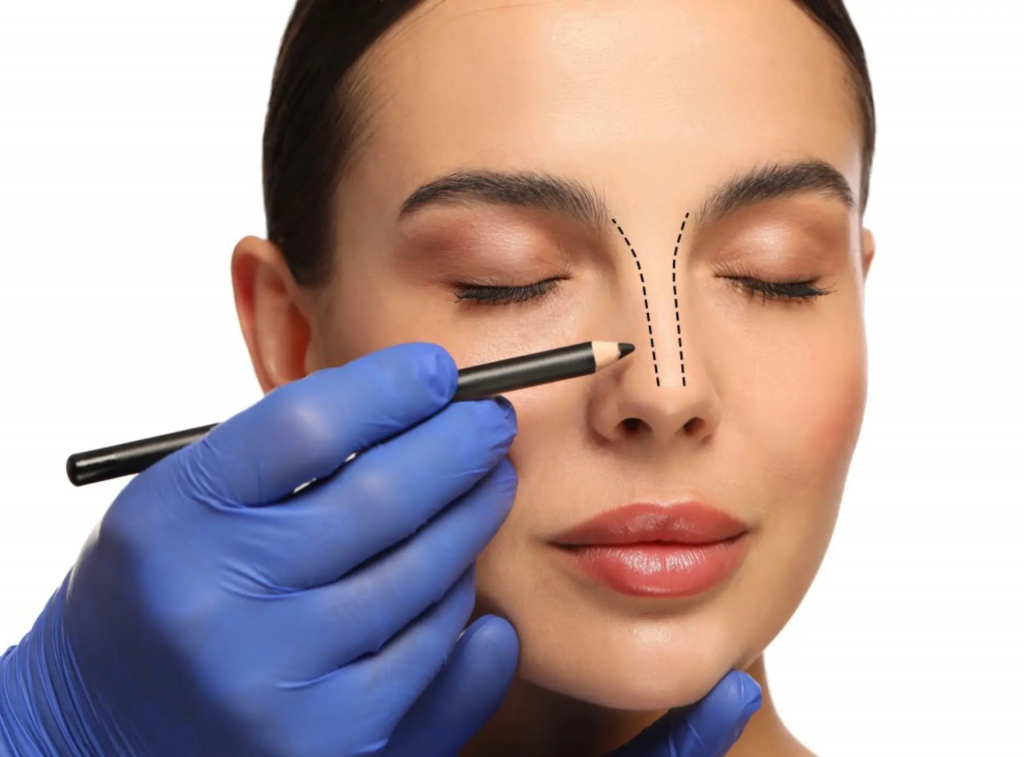
Individual Nasal Anatomy Plays a Major Role
One of the most important factors influencing rhinoplasty outcomes is the patient’s existing nasal structure. Every nose has unique characteristics that affect what can realistically be achieved.
Key anatomical considerations include:
- Thickness of the skin
- Strength of nasal cartilage
- Bone structure
- Nasal width and projection
- Existing asymmetries
- Internal nasal anatomy
Patients with thicker skin may experience less visible definition in certain areas, while thinner skin can reveal structural changes more clearly. Understanding these anatomical factors helps establish realistic expectations.
Skin Quality and Thickness
Skin quality significantly impacts how the nose heals and appears after treatment. Thick skin may limit the visibility of fine contouring changes, particularly around the nasal tip. Thin skin, on the other hand, can showcase detailed refinements but may also reveal minor irregularities more easily.
Skin elasticity also influences how well the tissues adapt to their new shape following treatment. Younger patients often have greater skin elasticity, although age is only one of several factors involved.
The Importance of Facial Proportions
Successful rhinoplasty is not solely about changing the nose. The procedure should be evaluated in relation to the entire face.
Factors commonly assessed include:
- Chin projection
- Forehead profile
- Lip position
- Cheek structure
- Facial symmetry
A nose that looks attractive on one individual may not suit another person’s facial framework. Personalized treatment planning helps ensure that nasal modifications support overall facial balance.
Healing Response and Recovery Process
Every individual heals differently. The body’s natural healing response can have a significant influence on the final appearance of the nose.
Several healing-related factors include:
- Swelling duration
- Scar tissue formation
- Tissue remodeling
- Blood circulation
- Immune response
Swelling can persist for months after rhinoplasty, particularly around the nasal tip. Because healing occurs gradually, final results often develop over an extended period rather than appearing immediately.
Following Post-Treatment Instructions
Patient compliance during recovery is another important factor affecting outcomes. Proper aftercare helps protect the healing tissues and supports optimal recovery.
Common recommendations may include:
- Avoiding strenuous activities
- Protecting the nose from accidental impact
- Sleeping with the head elevated
- Attending scheduled follow-up appointments
- Following hygiene and recovery guidelines
Ignoring recovery instructions can increase the risk of complications and may affect the overall result.
Previous Nasal Procedures
Patients who have undergone prior nasal surgery often present unique challenges. Revision rhinoplasty cases may involve altered anatomy, scar tissue, or reduced cartilage support.
Because the nasal structures have already been modified, treatment planning requires careful evaluation. Existing scar tissue can influence both surgical techniques and healing patterns.
Individuals seeking revision procedures typically need a highly customized approach based on their current anatomy and treatment goals.
Age and Physical Health
Age can influence healing and tissue behavior, although there is no single age that guarantees better results. General health often plays a larger role in recovery.
Factors that may affect healing include:
- Overall wellness
- Nutritional status
- Lifestyle habits
- Medical history
- Skin condition
Patients in good health generally experience more predictable healing responses and recovery progression.
Realistic Expectations Matter
Patient expectations are a critical component of satisfaction following rhinoplasty. Understanding what the procedure can and cannot accomplish helps create a positive treatment experience.
A successful result is not necessarily a perfect nose. Instead, it is one that:
- Enhances facial harmony
- Preserves natural appearance
- Aligns with treatment goals
- Supports nasal function
- Complements individual features
Clear communication during the planning stage helps establish realistic objectives and reduce misunderstandings.
Lifestyle Habits Can Affect Results
Daily habits before and after treatment may influence the healing process. Healthy lifestyle choices support tissue recovery and overall wellness.
Helpful habits often include:
- Maintaining balanced nutrition
- Staying hydrated
- Getting adequate rest
- Managing stress levels
- Following recovery recommendations consistently
A stable and healthy lifestyle can contribute to smoother recovery and more predictable outcomes.
Advanced Treatment Planning and Personalization
Modern rhinoplasty relies heavily on detailed assessment and individualized planning. Each treatment plan is developed according to the patient’s anatomy, goals, and facial characteristics.
Personalized planning may involve:
- Facial analysis
- Structural evaluation
- Functional assessment
- Digital imaging discussions
- Customized treatment strategies
This tailored approach helps create results that look natural and proportionate rather than artificial or overcorrected.
Psychological Readiness and Decision-Making
Emotional preparedness can also influence satisfaction with rhinoplasty outcomes. Patients who understand the recovery timeline and appreciate the gradual nature of healing are often better equipped to navigate the process.
Making informed decisions based on realistic goals rather than temporary trends helps support long-term satisfaction with the results.
Conclusion
Many factors influence rhinoplasty treatment results, including nasal anatomy, skin quality, facial proportions, healing patterns, lifestyle habits, and adherence to recovery guidelines. Individuals considering Rhinoplasty dubai should understand that successful outcomes depend on a combination of personalized planning and the body’s natural healing process. When expectations are realistic and treatment is tailored to individual needs, rhinoplasty can enhance facial harmony while maintaining a natural and balanced
No responses yet