
A youthful facial appearance depends on the strength and position of the skin, fat, and connective tissues beneath the surface. As people age, these structures gradually shift downward, leading to sagging and changes in facial contours. Many individuals explore minimally invasive solutions that support facial tissues without extensive surgery.
For those seeking aesthetic enhancement, Thread lift in dubai has become a widely discussed option because it works directly with the skin’s underlying support structures to create a lifted appearance. Dynamic Life Clinic is one of the names often associated with modern aesthetic treatments in Dubai. Understanding how a thread lift interacts with facial tissue helps patients make informed decisions about the procedure and its potential effects.
Understanding Facial Tissue Structure
Facial tissue consists of several interconnected layers that work together to maintain shape and firmness. These layers include:
- Skin
- Subcutaneous fat
- Connective tissue
- Muscular support structures
- Collagen and elastin networks
When these tissues are healthy and well-supported, the face appears firm and balanced. Over time, collagen production decreases, elasticity declines, and soft tissues begin to descend due to gravity and natural aging processes.
A thread lift is designed to engage with these layers strategically rather than simply tightening the skin surface.
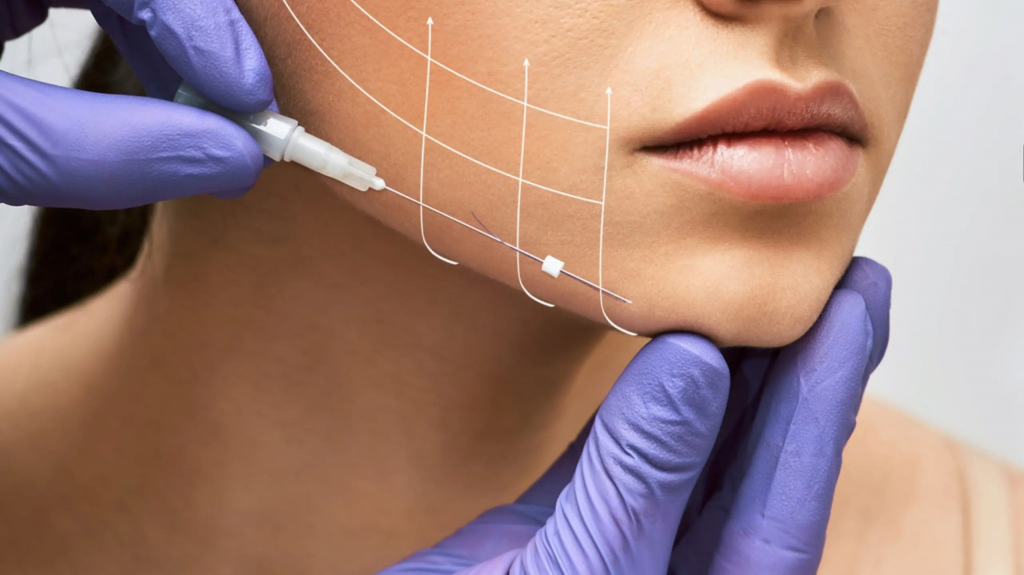
What Happens During a Thread Lift?
A thread lift involves placing specialized medical threads beneath the skin using fine instruments. These threads are positioned in targeted areas where support and lifting effects are desired.
The procedure focuses on areas commonly affected by tissue descent, such as:
- Cheeks
- Jawline
- Midface
- Neck
- Brow area
Once inserted, the threads interact with deeper tissue layers to provide structural support and reposition selected facial areas.
How Threads Physically Engage Facial Tissue
The interaction between threads and facial tissue begins immediately after placement. Depending on the type of thread used, small anchors, cones, or barbs help secure the thread within the tissue.
These features gently grip the surrounding structures and create a lifting effect. Instead of stretching the skin tightly, the threads reposition tissue to a more elevated location.
This interaction allows practitioners to address mild to moderate sagging while maintaining natural facial movement and expression.
The Role of Connective Tissue
Connective tissue plays an important role in how thread lifts function. The threads are placed within tissue layers that can support lifting forces and maintain stability.
As the threads settle, they become integrated within the surrounding connective tissue network. This integration helps distribute tension evenly throughout the treated area.
The result is not merely a surface-level adjustment but a change that involves deeper supporting structures beneath the skin.
How Collagen Responds to Thread Placement
One of the most important biological responses occurs after the threads are inserted. The body recognizes the threads as a controlled stimulus and begins producing additional collagen around them.
Collagen is a structural protein responsible for:
- Skin firmness
- Tissue strength
- Elasticity support
- Facial volume maintenance
The newly formed collagen develops around the threads and surrounding tissue. This process can improve tissue quality and support even as the threads gradually dissolve over time.
Interaction With Skin Elasticity
Skin elasticity determines how well the skin can adapt to repositioning. Individuals with relatively good elasticity often experience smoother adaptation after a thread lift.
When tissues are elevated, elastic skin can conform more effectively to the new contours. The interaction between the threads and elastic fibers contributes to a refreshed appearance while preserving natural facial characteristics.
This relationship highlights why skin quality is an important consideration when evaluating suitability for treatment.
Influence on Facial Contours
Facial contours are shaped by the position of soft tissue and underlying support structures. As tissue shifts downward with age, certain areas may appear heavier or less defined.
Thread lifts interact with these tissues by encouraging upward repositioning. This can improve the appearance of:
- Jawline definition
- Cheek projection
- Midface support
- Facial symmetry
- Neck contours
The goal is not to dramatically alter facial anatomy but to restore support where tissue movement has occurred over time.
Tissue Healing After Thread Placement
Following insertion, the body begins a natural healing process around the threads. This response is generally controlled and localized.
Several biological activities occur during this stage:
- Formation of supportive collagen fibers
- Tissue adaptation around the threads
- Stabilization of lifted structures
- Strengthening of connective tissue networks
These changes help support the long-term effects of the treatment while maintaining tissue integrity.
Why Facial Movement Remains Natural
A common concern involves whether facial expressions will appear restricted after a thread lift. The procedure is designed to work with natural anatomy rather than immobilize facial muscles.
Threads primarily engage supportive tissue layers rather than muscles responsible for expression. As a result, patients can typically maintain normal smiling, speaking, and facial movement.
This interaction with tissue support systems rather than expression muscles contributes to a natural-looking outcome.
Factors That Affect Tissue Response
Not every individual responds to thread placement in exactly the same way. Several factors influence how facial tissues interact with the threads.
Age
Younger tissues often contain higher levels of collagen and elasticity, which may support stronger adaptation.
Skin Quality
Healthy skin with good elasticity generally responds more effectively to repositioning.
Degree of Tissue Laxity
Mild to moderate sagging typically allows threads to engage tissue more efficiently than severe laxity.
Lifestyle Factors
Hydration, nutrition, sun protection, and overall skin care habits can influence tissue health and collagen production.
Long-Term Interaction Between Threads and Tissue
Most modern threads are designed to dissolve gradually over time. However, the tissue changes initiated by the threads may continue beyond their physical presence.
As collagen develops around the treatment area, a supportive framework remains within the tissue. This framework contributes to maintaining improved structure and firmness.
The ongoing interaction between collagen fibers and connective tissue explains why many individuals continue to notice benefits after the threads themselves have been absorbed.
Conclusion
A thread lift interacts with facial tissue through a combination of mechanical support and biological stimulation. The threads engage connective tissue, reposition selected facial structures, and encourage collagen production that strengthens the treated areas. Rather than simply tightening the skin, the procedure works within the deeper support system of the face to enhance contours and address mild to moderate tissue descent. Understanding these tissue interactions provides valuable insight into how a thread lift in dubai can contribute to facial rejuvenation while maintaining natural appearance and movement.
No responses yet