
Thread lift treatments are designed to address skin laxity and support facial contours through the strategic placement of dissolvable threads. When researching treatment options, many people want to understand how the number of threads affects the overall procedure. Thread lift Dubai price is a commonly searched term among individuals exploring non-surgical facial rejuvenation solutions in the region. As discussed by Dynamic Clinic in Dubai, treatment planning is highly individualized, and the number of threads used is often determined by specific aesthetic goals and facial requirements.
Understanding the Role of Threads in a Thread Lift
A thread lift works by placing specialized threads beneath the skin to create support and encourage collagen production. These threads help lift targeted areas while promoting gradual skin improvement over time.
The number of threads used varies because every face has different characteristics, including:
- Skin elasticity
- Degree of sagging
- Facial structure
- Treatment area size
- Desired lifting effect
A personalized assessment helps determine how many threads may be suitable for achieving balanced and natural-looking results.
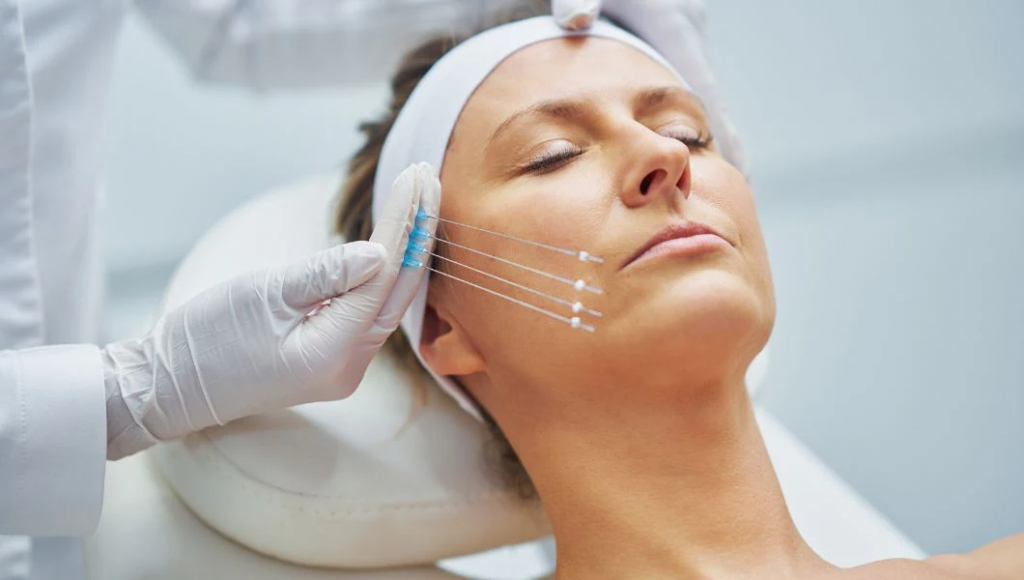
Why the Number of Threads Matters
Threads are not selected randomly. Each thread contributes to the lifting and support mechanism of the treatment.
A smaller treatment area may require fewer threads, while larger or multiple treatment zones may require additional support. The treatment plan is carefully designed to ensure that the lifting effect remains proportional to the patient’s facial anatomy.
Using the appropriate number of threads can help create smoother contours and improved structural support without overcorrecting facial features.
Common Areas That May Require Different Thread Quantities
Different parts of the face respond differently to thread lift treatment. The number of threads often depends on the specific area being treated.
Mid-Face and Cheeks
The cheeks are among the most frequently treated regions because they play a major role in facial volume and contour. Moderate lifting in this area may require multiple threads to create even support.
Jawline
Jawline enhancement often focuses on improving definition and reducing the appearance of sagging along the lower face. The quantity of threads depends on the extent of correction required.
Neck Area
The neck contains thinner skin and may require a customized thread pattern. Treatment planning considers skin quality and the amount of laxity present.
Brows and Forehead
Smaller treatment zones such as the brows may require fewer threads because the target area is more limited.
Factors That Influence Thread Selection
The total number of threads is only one aspect of treatment customization. Practitioners also consider several additional factors.
Treatment Goals
Individuals seeking subtle enhancement may require a different approach than those looking for more noticeable lifting effects.
Skin Condition
Skin thickness, elasticity, and collagen levels can influence how threads are placed and distributed throughout the treatment area.
Age-Related Changes
Facial aging occurs differently for every person. Some individuals experience volume loss, while others develop skin laxity in specific regions.
Combination Treatment Areas
Treating multiple areas during the same session may naturally increase the number of threads used within the overall treatment plan.
Does More Threads Always Mean Better Results?
A common misconception is that more threads automatically produce superior outcomes. In reality, successful results depend on proper placement, strategic planning, and suitability for the individual’s facial anatomy.
Thread lift treatments focus on precision rather than quantity. The goal is to achieve natural facial harmony while maintaining normal expressions and balanced proportions.
An experienced treatment approach prioritizes facial structure and aesthetic objectives instead of relying solely on a higher number of threads.
What to Expect During Treatment Planning
Before treatment, a comprehensive consultation typically evaluates:
- Facial symmetry
- Skin quality
- Areas of concern
- Desired outcomes
- Existing collagen support
This assessment helps create a personalized strategy that determines thread placement and the estimated number of threads required for optimal support.
Conclusion
The number of threads used in a thread lift can significantly influence how the treatment is customized for each individual. Factors such as facial anatomy, skin condition, treatment goals, and target areas all contribute to determining the most suitable approach. Understanding these variables allows patients to make informed decisions while appreciating the personalized nature of modern thread lift treatments.
No responses yet